Customer experience & product research leader · Detroit

Making new technology feel human.

I build the mechanisms that turn what customers need into what organizations do — pre-launch research programs, risk-prioritization methods, onboarding journeys, and the cross-functional forums that make them stick.

Katie Tucker
  • Manager, CX ResearchGeneral Motors
  • CCXPCertified Customer Experience Professional
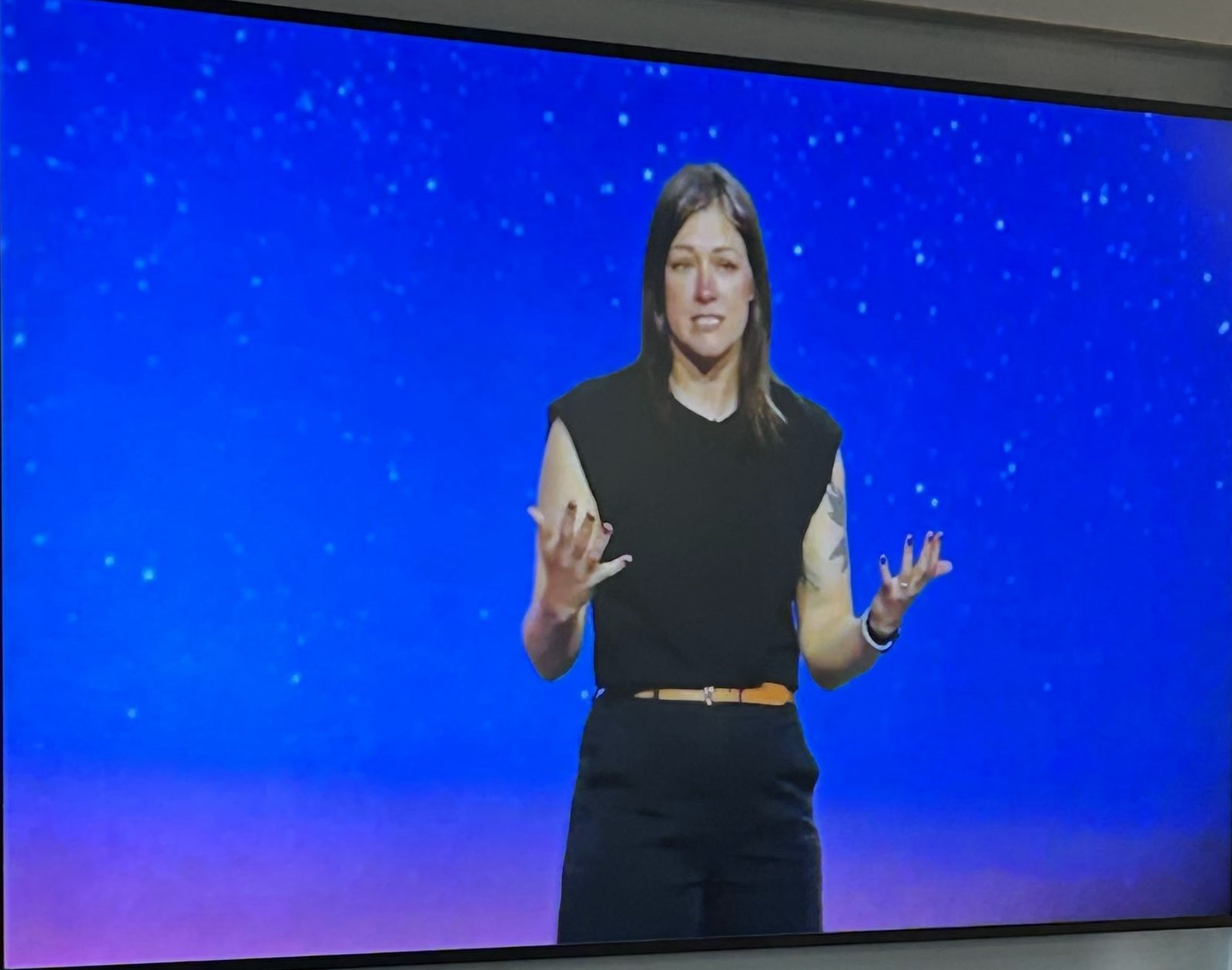
  • Closing keynoteDigital Transformation & CX Summit, Boston 2026
  • M.Arch · MBAUniversity of Michigan · Portland State

01 — About

A nonlinear path with a clear internal logic.

I trained as an architect — which is to say I learned to design for how people actually live, then defend those choices in front of engineers, budgets, and building codes. An MBA and five years inside Daimler Trucks' engineering organization taught me how large companies make product decisions, and how far from the customer those decisions can drift.

At General Motors I've spent the EV transition closing that distance. First by leading onboarding for customers adopting new mental models — electric vehicles, home and public charging, driver assistance, autonomy. Then by building a program that put launch vehicles in people's hands for weeks at a time, so experience problems surfaced before customers found them, and a method that made those problems count in the quality system alongside technical defects. Today I lead a CX research team shaping how product, design, and quality leadership measure the customer experience.

In between, I founded a transformation-design practice, taught design thinking and human factors for eight years at three universities, earned the CCXP, and kept the habit of living the experiences I study — most recently by putting a vehicle-to-home charging system in my own garage.

02 — Selected work

Find the customer's reality earlier. Make it measurable. Build the room where someone acts on it.

Four pieces of work from General Motors' EV transition that show the pattern. Details are kept at the level I can share publicly.

General Motors · Customer Experience Fleet · 2023–2026

Putting launch vehicles in people's hands — before launch

A pre-launch program in which employees live with a launch vehicle for four to eight weeks, so experience problems surface while they can still be fixed. 7launches 250+participants 4–8weeks per cohort

The problem

Validation tells you whether a vehicle works as specified. It says much less about what it's like to live with — the feature that surprises you in your own garage, the term that means two different things, the setting a first-time EV driver never knew to change.

What I did

Designed and launched the Customer Experience Fleet: a pre-launch program in which employees live with a launch vehicle as their own for four to eight weeks. Diary studies, structured debriefs, surveys, and vehicle data, synthesized continuously with Quality, Product, Human Factors, Brand, and Marketing so findings landed while they could still change something.

What changed

Across seven launches the program surfaced hundreds of dissatisfiers, most invisible to standard testing. Findings changed how vehicles are configured at dealership delivery, renamed an ambiguous in-vehicle feature in plain language, created a day-one onboarding series, and wrote new use cases into the next model's requirements.

In the public record 2 articles · 2024

When the Chevrolet Blazer EV launched in late 2023, the problems that halted its sale were experience failures — screens going dark, fast-charging sessions that quit — rather than mechanical ones. The pre-launch fleet had forecast the likely drivers of that stop-sale before launch. It remains the clearest public illustration of why customer-experience risk has to carry weight inside the quality system, which is the subject of the next case.

General Motors · CX Risk Prioritization Number · 2024–2026

Making experience risk count like technical risk

A score that weighs how customers feel about an issue alongside its technical severity, inside the quality system every program already uses.

The problem

Quality systems rank issues by technical severity. An experience that frustrates thousands of customers but "works as designed" could be closed without anyone acting on it.

What I did

Created the CX Risk Prioritization Number — a score that combines how often an issue occurs, how customers feel about it, and how much it matters to them — and integrated it into the quality organization's global issue-management system across every program, so customer impact is weighed in the same view as technical severity.

What changed

"Working as designed" is no longer a final disposition. Experience issues compete for pre-launch fixes on equal footing, and leaders see customer risk next to everything else they already track.

General Motors · Enterprise CX, Customer Journey · 2021–2023

Onboarding for new mental models

Onboarding journeys across support, dealerships, and direct channels for customers learning EVs, charging, and driver assistance — and the team that ran them. 3brands 8programs 6journey managers

The problem

Electric vehicles, charging, driver assistance, and autonomy ask customers to unlearn how a car works. The help people needed on day one often wasn't reaching them until day seven — if at all.

What I did

Led onboarding journey design across the center of learning, customer support, dealerships, and direct channels; aligned enterprise stakeholders on customer needs and product strategy; built and led a team of six Journey Managers.

What changed

Short-term supports in market while longer-term product changes landed, a team that earned high marks in leadership feedback, and a working model for how a company helps people adopt technology it is still inventing.

In the public record 2 articles · 2022

Cadillac's 2022 Lyriq launch — GM's first Ultium Cadillac — included an early-owner program that asked the first customers to share their ownership experience directly with the company, from delivery and range to charging time and the app, so the go-to-market approach could change while there was still time. It also became a public lesson in how such programs are framed: a confidentiality clause drew questions from regulators, and GM wrote to every participant to make explicit that safety concerns can always be reported.

General Motors · Double White Glove · 2024–2026

What happens after the issue is found

An executive forum and a white-glove support model for the gap between finding a customer problem and shipping the permanent fix.

The problem

Finding a problem is the easy part. Between discovery and a permanent fix, customers are living with it — and the functions that could help rarely sit in the same room.

What I did

Established an executive forum that brings Quality, Product, CX, Marketing, Engineering, and Program Management together around launch readiness and open customer issues, and designed a white-glove support model for the gap before the permanent solution ships. Built the dashboards — NPS, CSAT, adoption, case reduction — so the forum runs on evidence rather than escalation.

What changed

A forum that still convenes the right people around customer issues, and a standard I hold to: when a problem cannot yet be solved, customers should still feel supported, informed, and valued.

Earlier

2012 – 2017
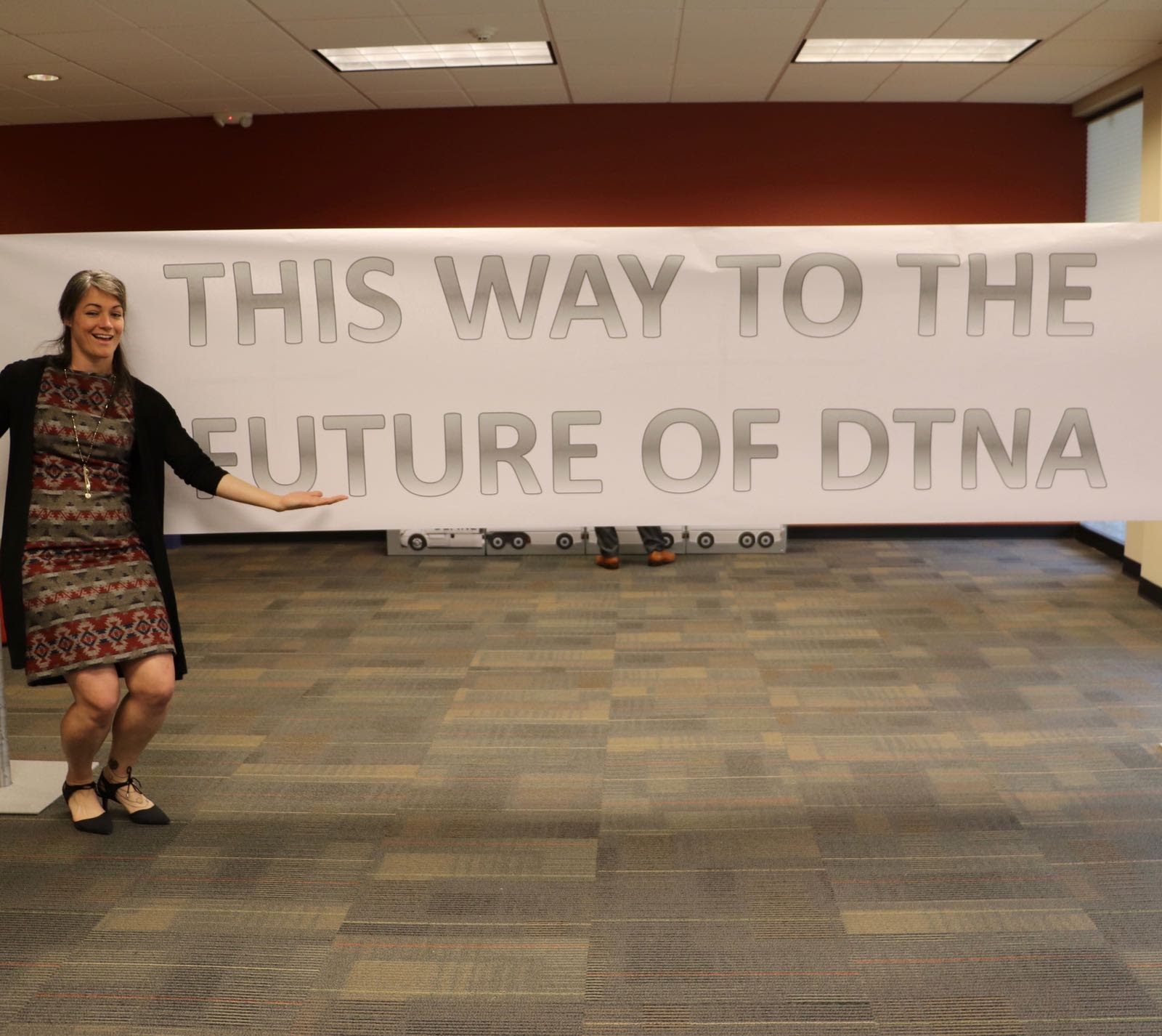
Daimler Trucks North America Chief of staff to Research & Technology Management in Chassis Engineering. Created Engineers in the Plant, which sends engineers to build their own components on the assembly line next to the people who do it every day. Led an eleven-person team through the SPIN innovation incubator to recommendations for the Operating Committee.
2016 – 2021
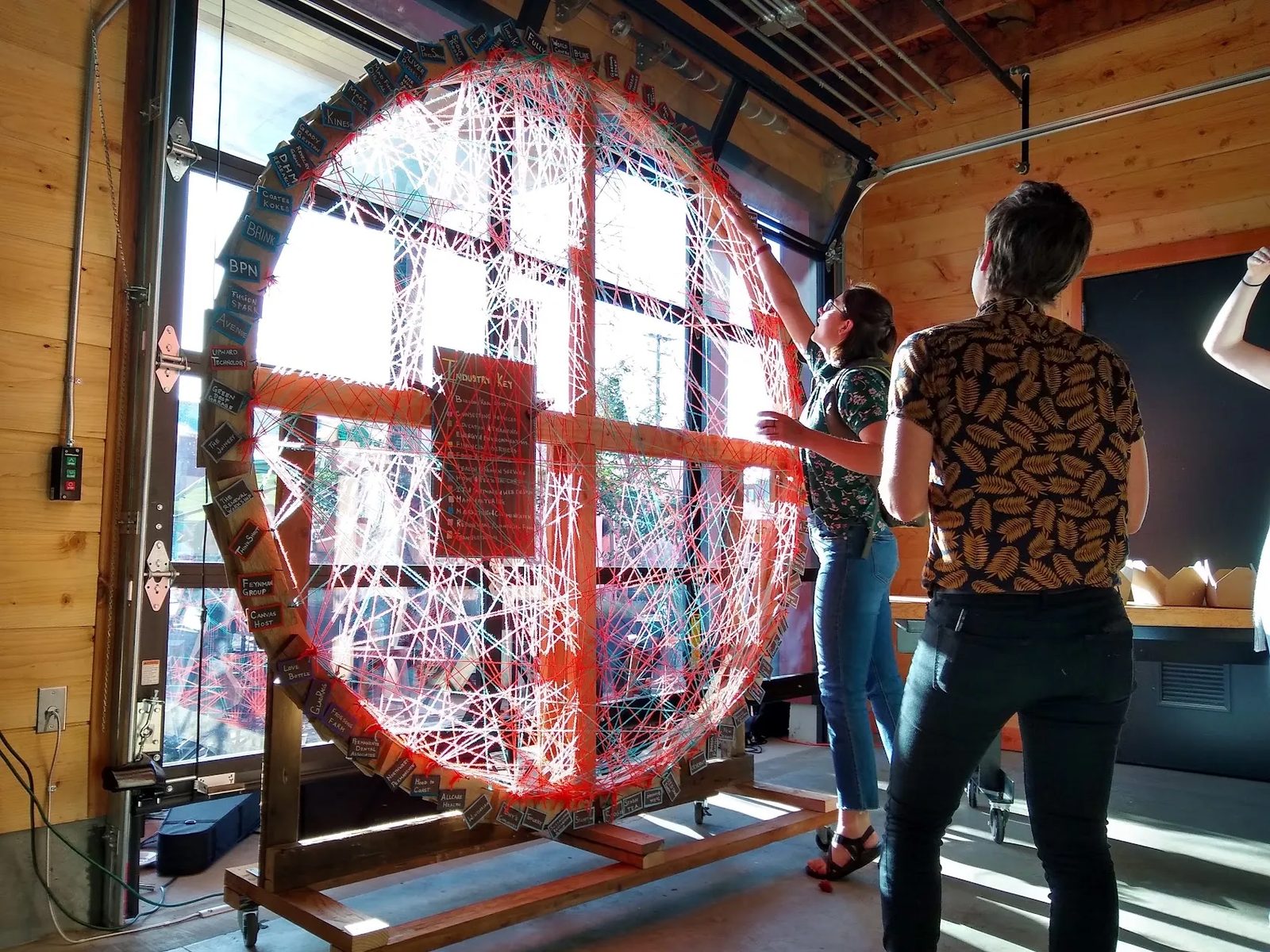
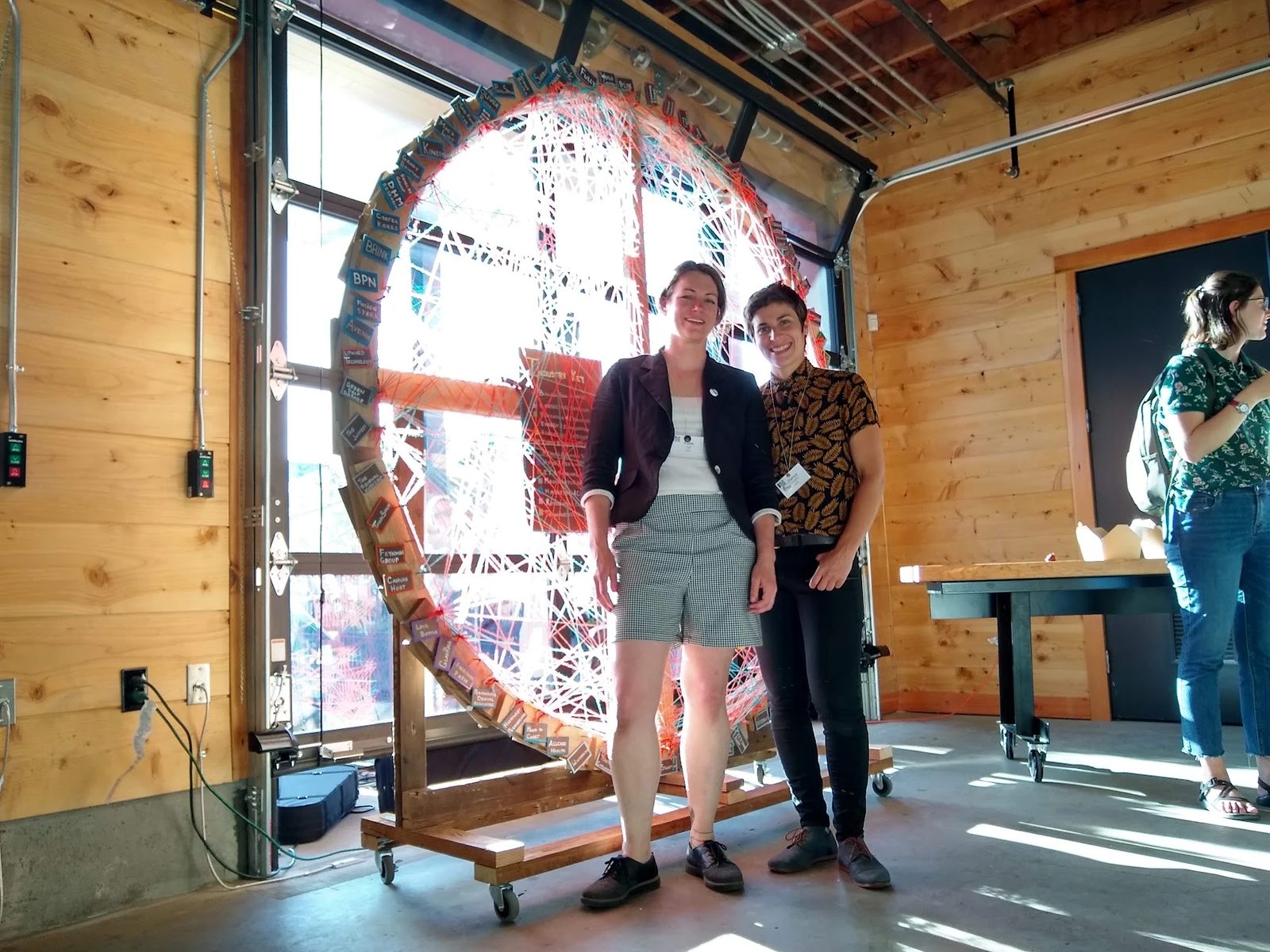
WERK_ Founded an innovation-strategy practice: long-term vision, roadmaps, and customer-success programs for organizations in the middle of change, including additive-manufacturing clients — and the occasional piece of participatory art, like the B Ecosystem Wheel, a hand-strung map of the Pacific Northwest B Corp community's partnerships built with The Joinery and the attendees of BLD PNW 2019.
2005 – 2012
Before that Main Street program management in Estacada, Oregon; volunteer leadership with Cascadia Green Building Council; residential and commercial construction management; graduate research at Portland State.

04 — Speaking & writing

Talks, and the occasional paper.

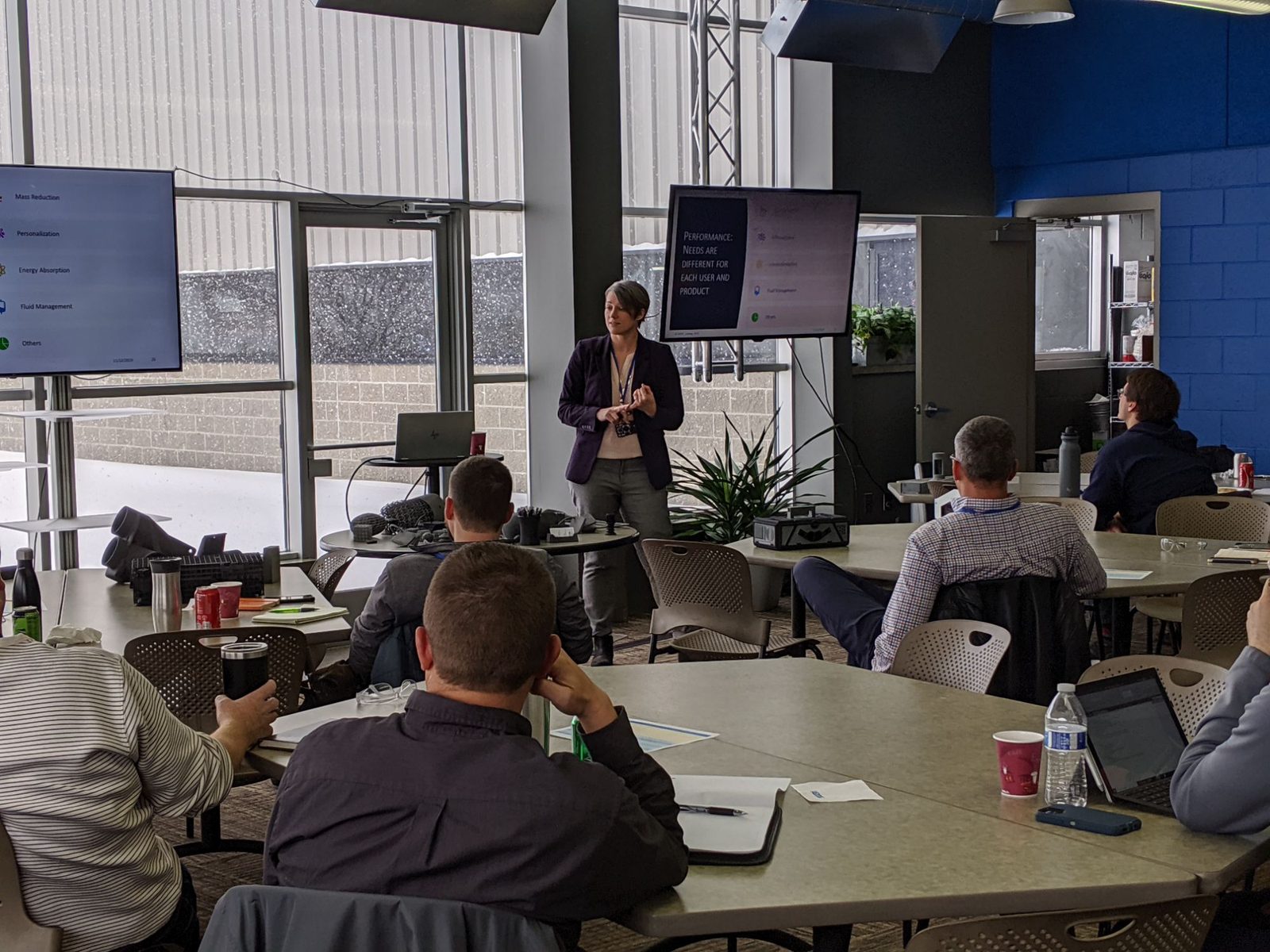
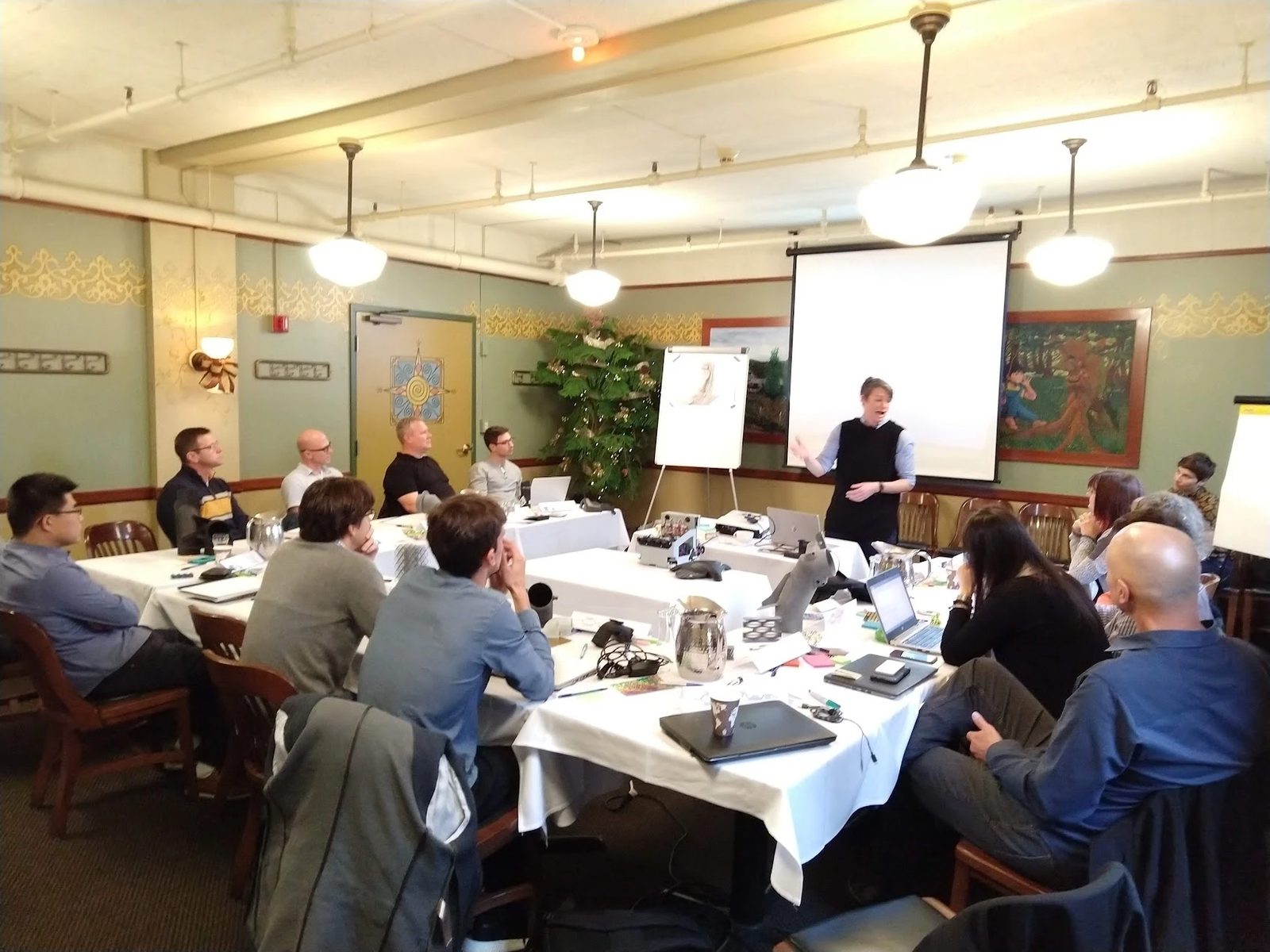
On human-centered technology adoption, customer journeys in a digital transformation, and the research practices that keep organizations honest about what customers actually experience.

Closing keynote · Boston · October 2026

The Impact of Digital Transformation on Customer Journey Mapping

9th Global Digital Transformation & Customer Experience Summit, Conferenzia World.

“CX isn't just a metric. It's a memory. The way our product makes someone feel — that's what they remember.”
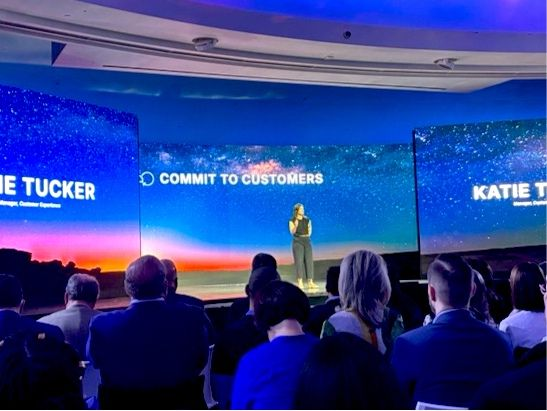
From her address to the whole of General Motors — “Commit to Customers,” 2025

Talks

  • 2026
    The Impact of Digital Transformation on Customer Journey MappingClosing keynote, Digital Transformation & CX Summit — Boston
  • 2026
    In conversation with Nathan C BowserOn nonlinear careers, and why qualitative and quantitative research need each other
  • 2025
    Commit to CustomersGeneral Motors all-company address
  • 2020
    Design and Innovation in Additive ManufacturingWomen in 3D Printing
  • 2019
    Human-Centered New Technology AdoptionLawrence Technological University, CoAD Lecture Series
  • 2019
    RASIC as Equity IndicatorNational League of Cities Summit
  • 2019
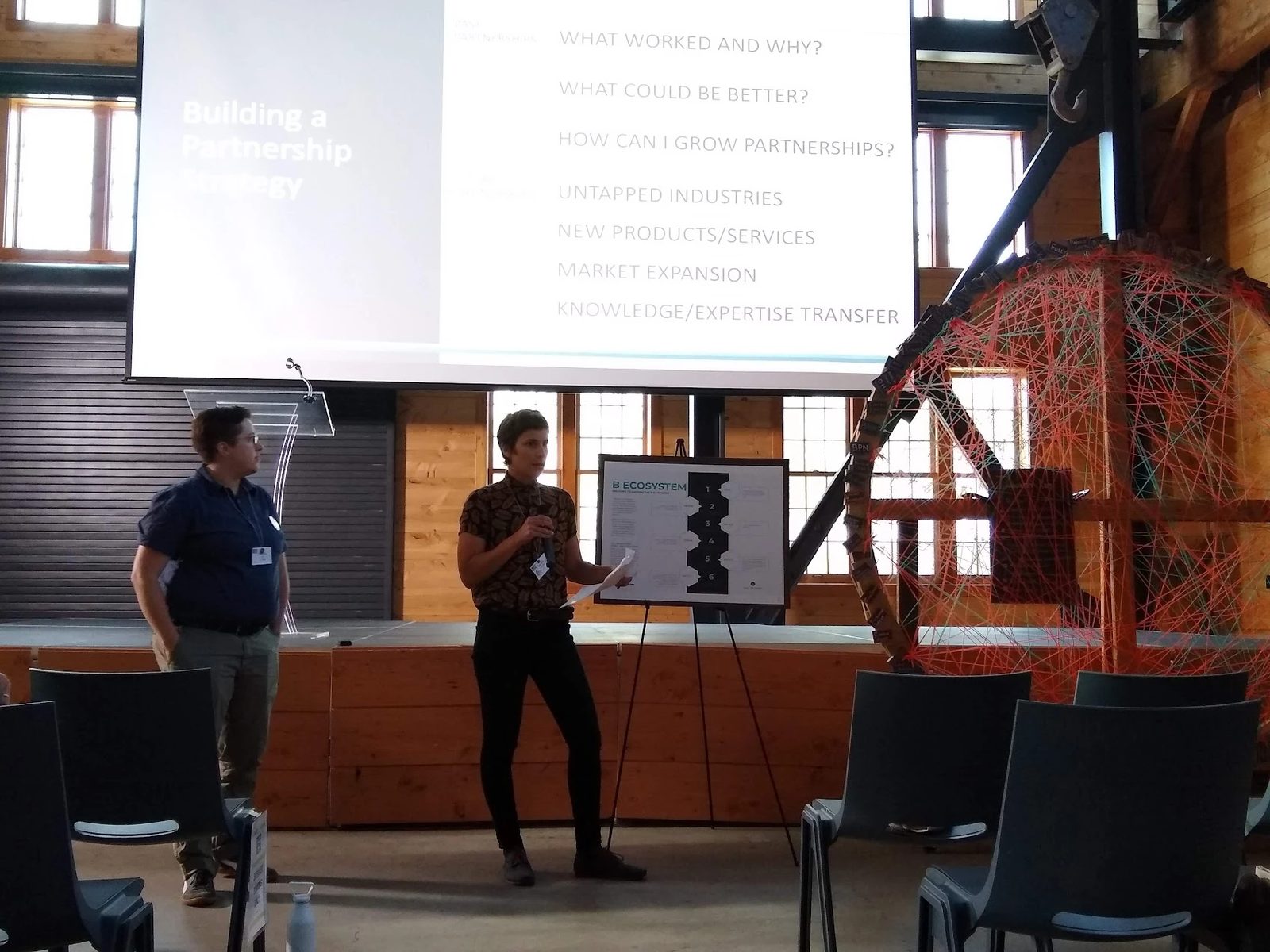
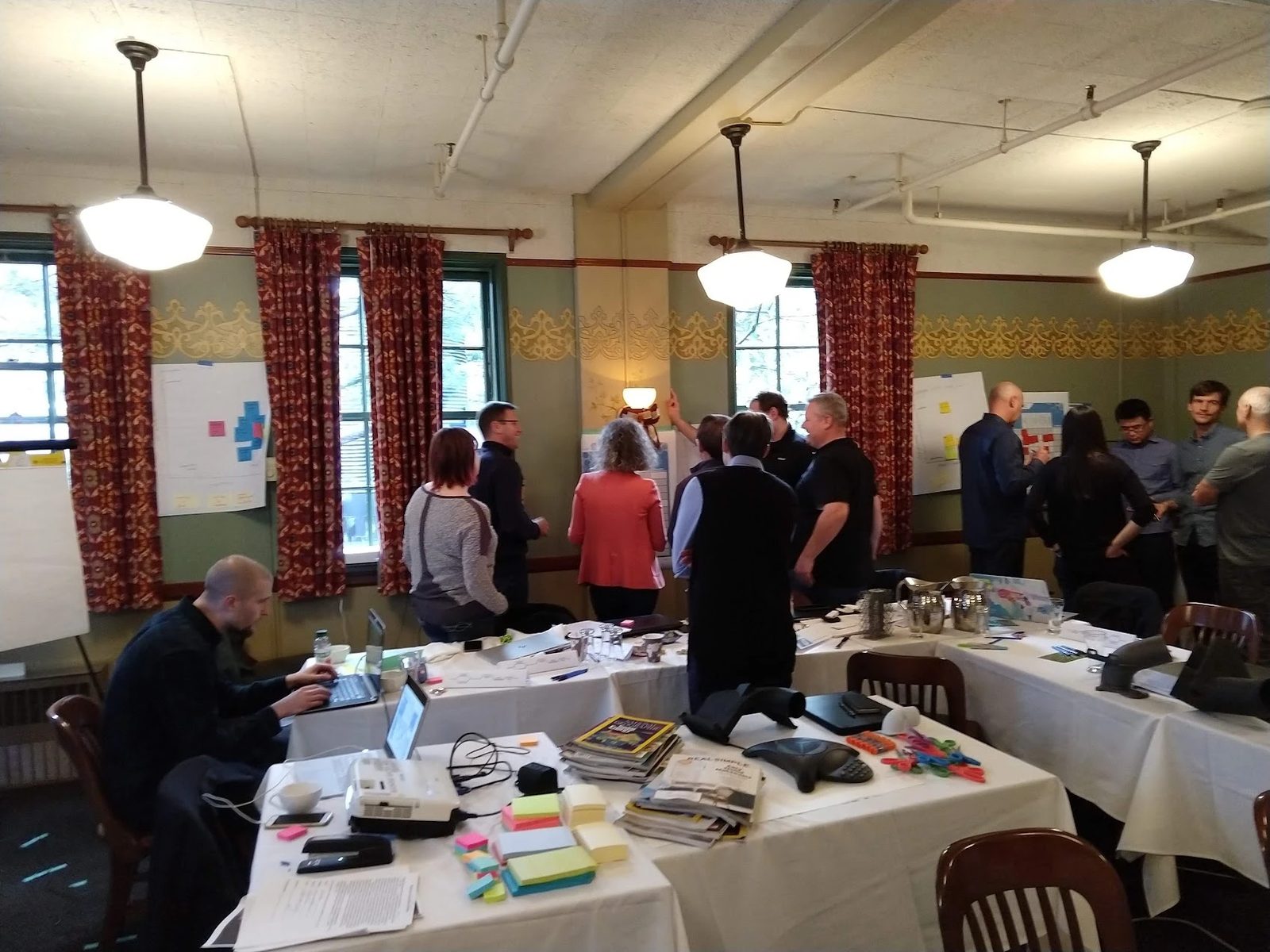
    Building a Partnership StrategyBLD PNW 2019, Portland — alongside the B Ecosystem Wheel, an interactive map of the region's B Corp partnerships made with The Joinery
  • 2019
    Unlearn and RethinkAMUG, with Linear AMS and Forecast3D
  • 2018
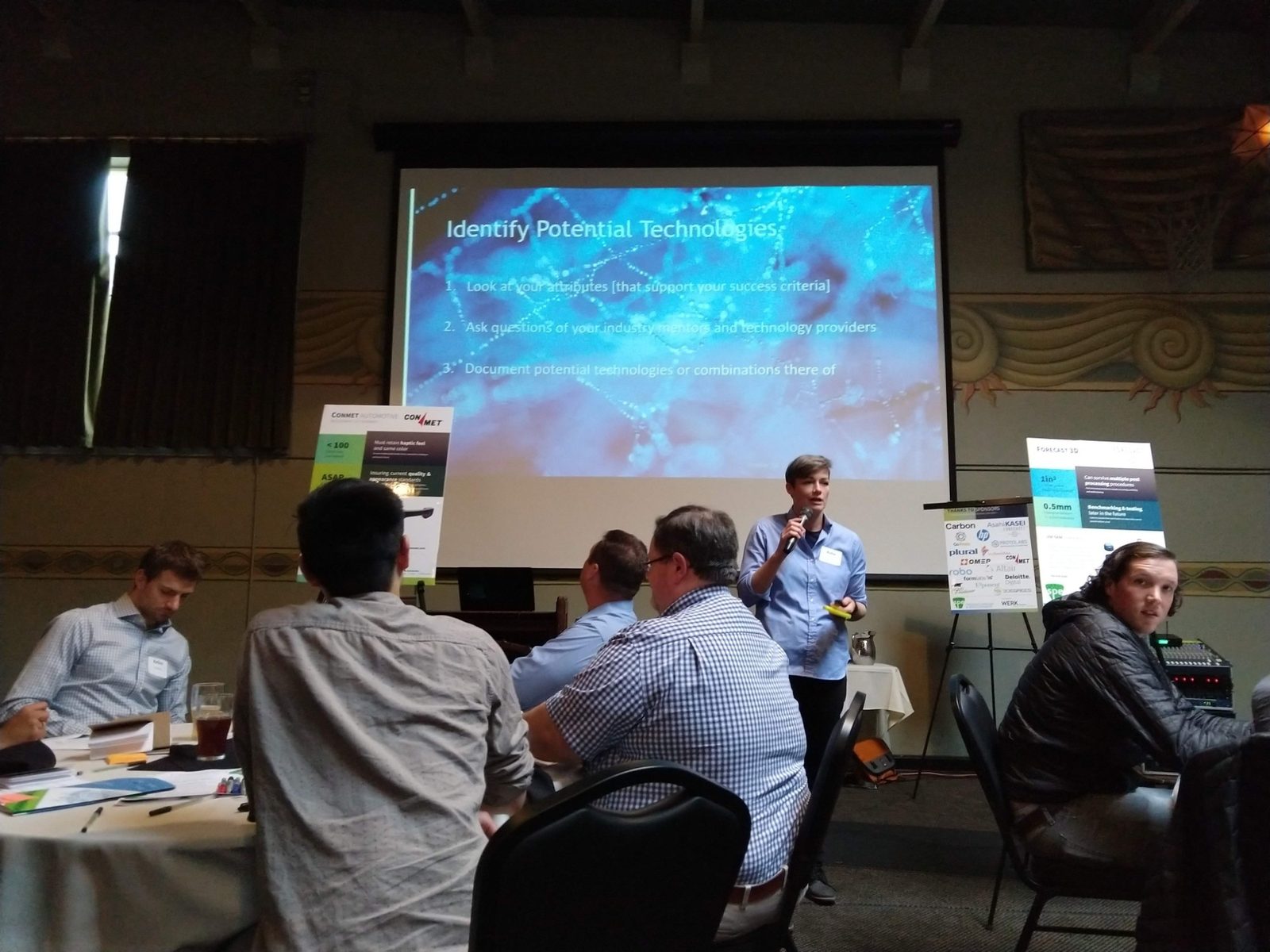
    Print Your Future — Plastics DfAM WorkshopSPE Product Design & Development Division, Portland — facilitation and challenge design with WERK_

Publications

  • 2014
    Network-Based Technology Roadmapping for Future Markets: The Case of 3D PrintingTechnology and Investment 5, 137–156 · co-author
  • 2013
    Technology Adoption: Building ITIn Research and Technology Management in the Electricity Industry, 213–228 · co-author

Elsewhere

  • —
    LinkedInWhere I think out loud about CX, research, and adoption · katherinemtucker

05 — Teaching

Eight years in the classroom.

Across three universities, because explaining a method to a sophomore is the fastest way to find out whether you actually understand it.

06 — Education & certifications

Trained as an architect, schooled in business.

The degrees and credentials behind the work, including the licenses from the building years.

Education

2011 – 2013
MBA, Business Administration and ManagementPortland State University, School of Business
2006 – 2010
M.Arch, ArchitectureUniversity of Michigan
2002 – 2004
BBA, Business AdministrationBaker College · cum laude
Languages
English · Japanese, limited working proficiencyTen months of work and study in Ōtsu, Japan, through Lansing Community College

Certifications & licenses

2026
Certified Customer Experience Professional (CCXP)Customer Experience Professionals Association
2021
Designing a BusinessIDEO U
2021
Certified Scrum Product Owner (CSPO)Scrum Alliance
2020
Certified ScrumMaster (CSM)Scrum Alliance
2012
Certified SolidWorks AssociateDassault Systèmes
2011 – 2015
LEED Green AssociateU.S. Green Building Council
2011 – 2013
Oregon Residential General Contractor (CCB)Oregon Construction Contractors Board

07 — Tools

Tools you can take with you.

Canvases, worksheets and session guides from WERK_ workshops, B Corp summits and university classrooms — written down so you can run them without me. Download, adapt, pass them on.

Workbook · BLD PNW 2019 · with The Joinery

Mapping the B Ecosystem

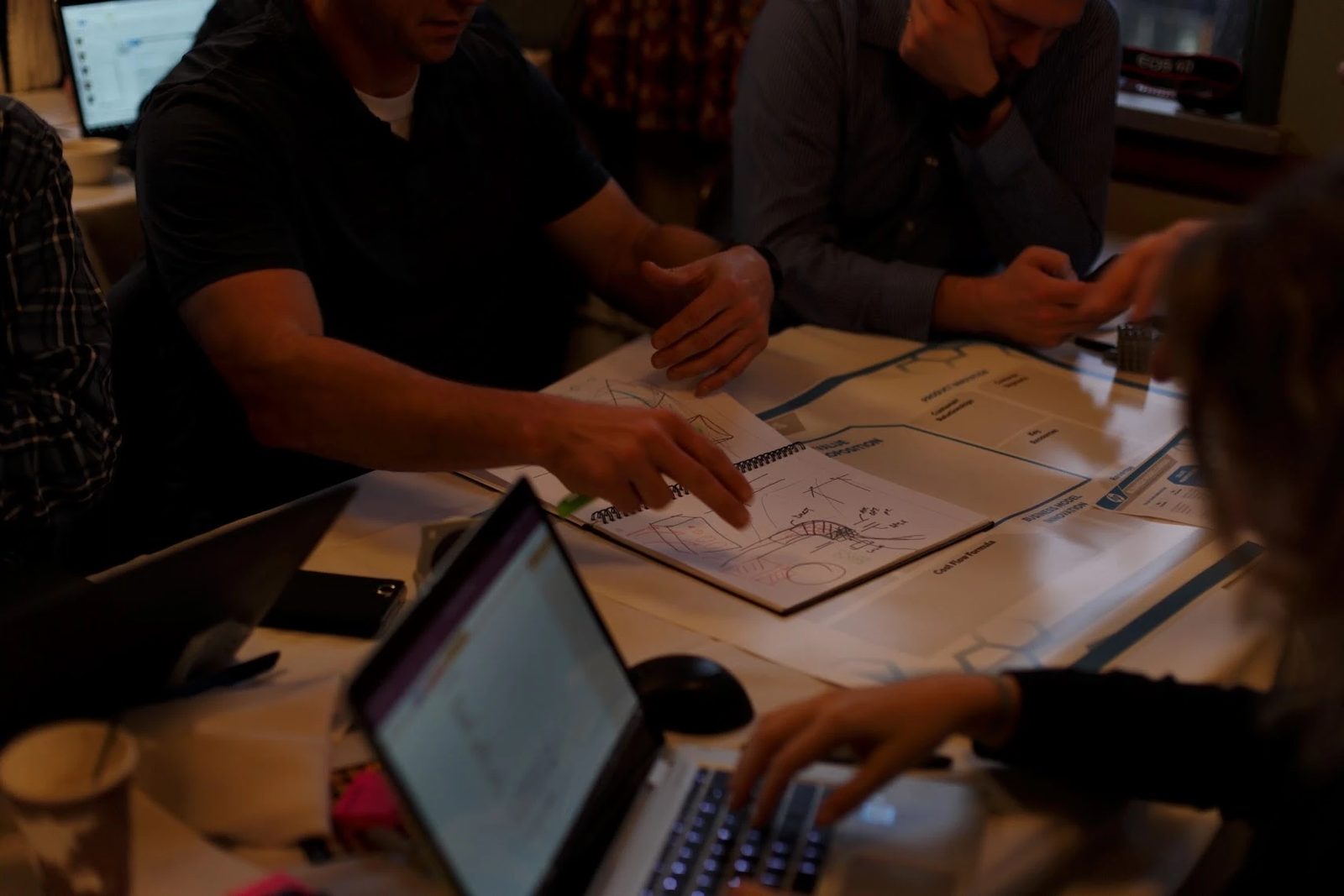
A partnership-mapping method that began as a wooden wheel and a ball of yarn. On paper: list the organizations in your ecosystem by industry, mark who you've worked with and who you'd like to, and pick the five conversations you'll have today.

PDF · workbook and worksheet

Canvas · B Corp summit · 2019

Building a Partnership Strategy

One page, three questions — what worked and why, what could be better, how do I grow — and four directions to grow in: untapped industries, new products and services, market expansion, and knowledge transfer.

PDF · one-page canvas

Session guide · AMUG 2019

Unlearn and Rethink

A ninety-minute session for teams adopting a technology that breaks their old rules. Three moves: unlearn the design rules living in your gut, abstract the problem until novel solutions appear, then match the technology to the job.

PDF · facilitator guide

Challenge brief · Print Your Future · 2018

The DfAM design challenge

Discover, Define, Develop applied to design for additive manufacturing: a challenge poster per team, a technology-matching step, and a critique format that takes working designers from a brief to a printable concept.

PDF · brief and challenge posters

Workshop format · WERK_ · 2016–2021

Human-Centered New Technology Adoption

The format behind the client workshops and the 2019 lecture of the same name: step back from the technology, understand the people who will live with it, and design the adoption — not just the product — before the rollout.

PDF · agenda and canvases

Course outline · Portland State · 2014–2021

Design Thinking for sophomores

The outline for UNST 222, the Design Thinking course I developed and taught for the cluster: identify needs, brainstorm solutions, incorporate feedback, iterate designs, and formulate a business model that lasts.

PDF · syllabus and assignment briefs

08 — Contact

Let's talk.

I'm interested in roles and conversations at the intersection of customer experience, product research, and new technology — and in helping teams build the culture that makes those stick.

Resume available on request.